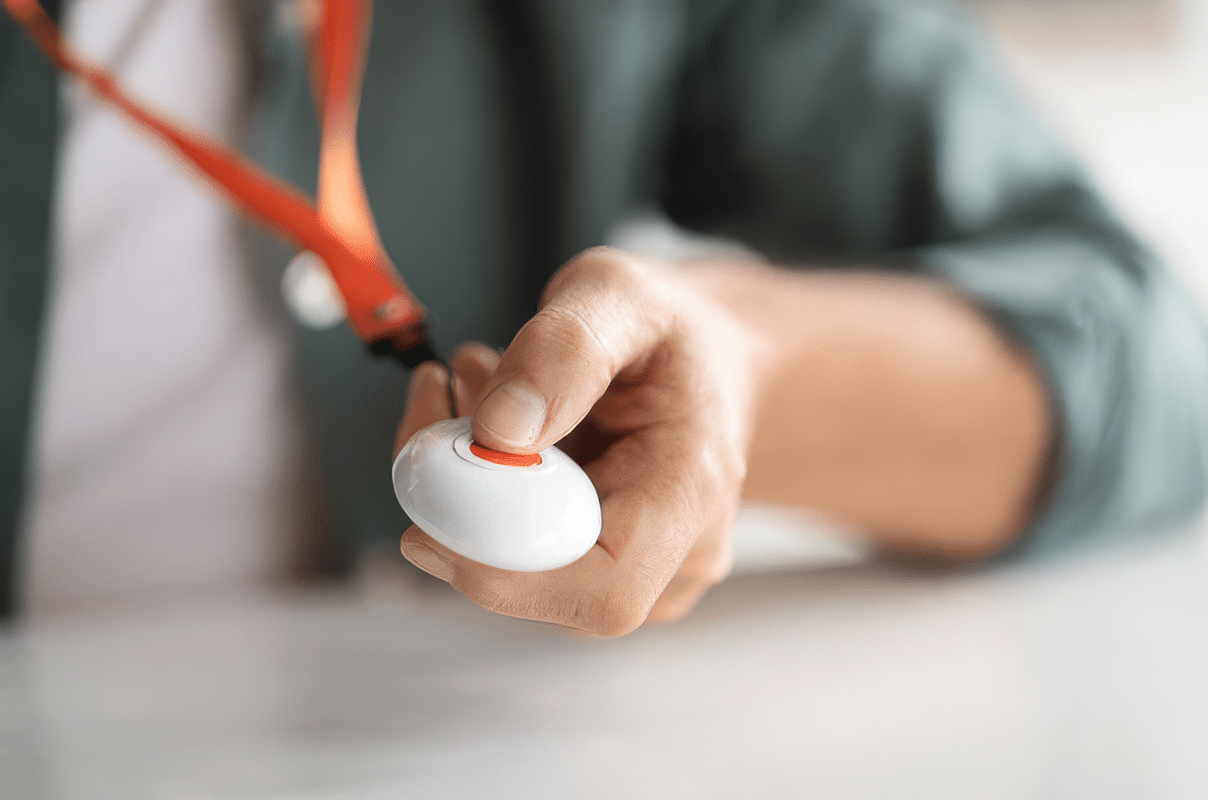
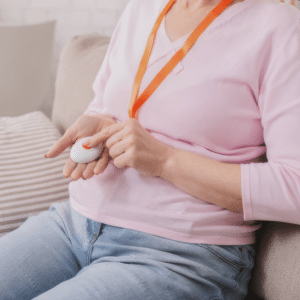
For decades, the go-to safety solution for older Australians wanting to stay in their own homes has been the wearable medical alarm. We all know the classic plastic pendant worn around the neck. While these traditional emergency systems mean well, they carry a very serious flaw. They only work if the person is wearing them.
Care statistics paint a clear picture of reality. Seniors regularly take off their pendants before showering or getting into bed. Sadly, these are the exact moments when the risk of a slip or a medical emergency is at its absolute highest. Other times, they just forget to put them back on or forget to charge the batteries. Many actively hide them in a drawer. Wearing a bright red panic button carries a heavy mental toll. It serves as a constant visible reminder of frailty and chips away at personal dignity.
Seenyor, distributed locally by Access and Safety, is completely shaking up aged care. By swapping physical wearables for advanced radar technology, Seenyor builds an invisible safety net across the room. It mounts quietly on a wall and continuously watches over movement and vital health signs. There are no cameras and no microphones recording your private life.
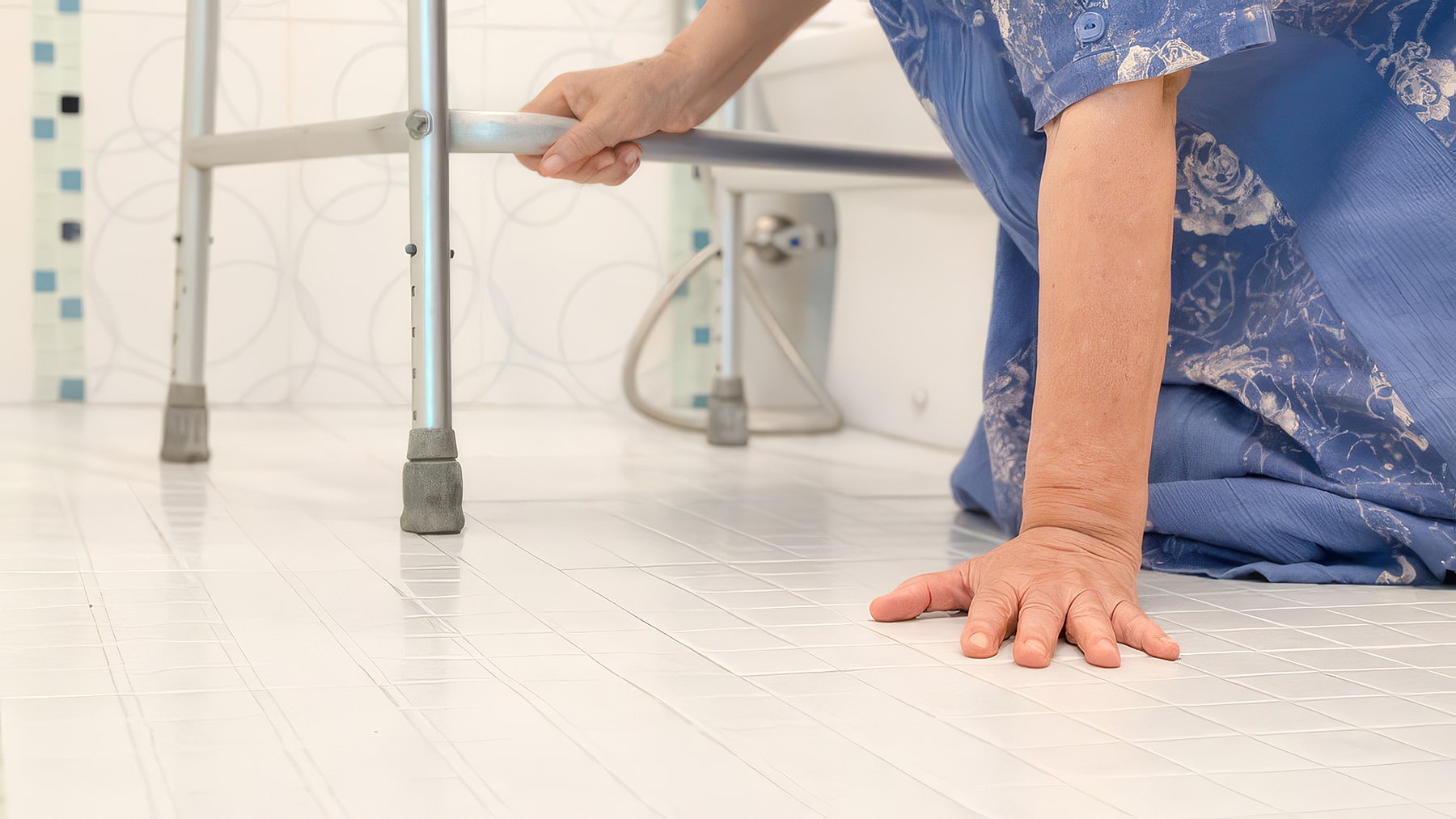
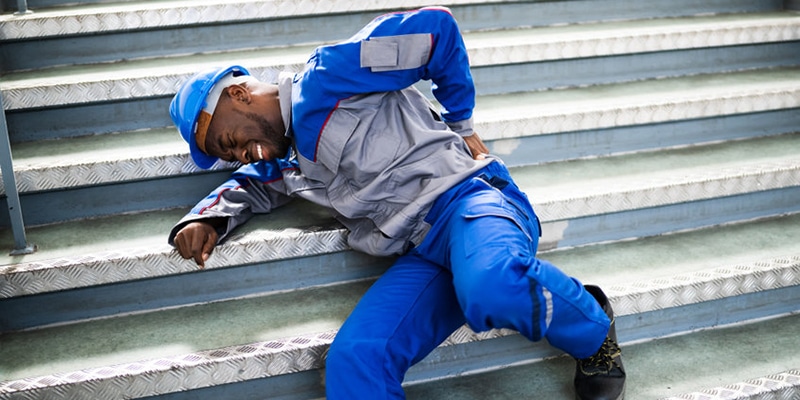
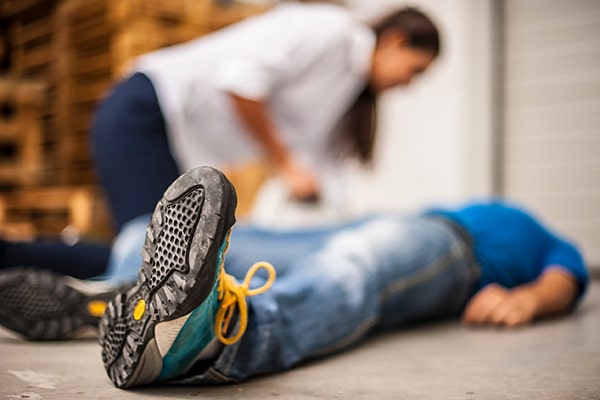
When a fall happens, Seenyor catches it instantly. Older systems wait around for someone to push a button. That is pretty much impossible if someone is unconscious. Seenyor automatically alerts family or emergency response teams in seconds. Built-in two-way audio lets responders speak directly into the room to make sure help is on the way fast.
Seenyor gives families ongoing peace of mind through its smartphone app. Family members can check if Mum is moving around normally in the morning without making annoying check-in calls. By ditching the wearable, Seenyor restores dignity and proves the best tech is the kind you never even notice.
Interested in a smarter way to support independent living? Contact Access and Safety today to learn how Seenyor can help enhance safety, confidence and independence at home.
Most safety technology for people who need support at home is stuck in the past. We hand out emergency alert buttons that people have to wear, set up intrusive cameras, make daily calls or rely on someone dropping by just to make sure everything is okay.
That approach does not work for an older parent who values their privacy. It also completely fails adults with disability who want to live in their own homes without a support worker hovering over them around the clock. It also relies on the person wearing them all the time, which data shows is not always the case. People just want to live their lives.
They do not want to feel like patients in their own living rooms.
Seenyor is a new approach to home care monitoring that recently launched in Australia. It relies on advanced radar technology in lieu of cameras or wearables. You mount the sensor on the wall or ceiling, and it quietly monitors the room by tracking movement, breathing patterns, and heart rates.
No Cameras, No Lanyards
Push buttons are often forgotten or cannot be pushed if the person is unconscious.
The biggest flaw with traditional medical alarms is that people remove them. They take them off to shower or sleep, which is exactly when most falls occur.
Because Seenyor uses passive radar, the person in the room does not need to wear anything or remember to charge a device. It just runs in the background. Most importantly, there are zero cameras. The system only tracks data points and movement patterns, meaning a person’s privacy and dignity remain completely intact.
If someone does fall, the AI spots it immediately. It pinpoints exactly where it happened in the room and sends an instant alert to family members or a care team. It even has a built-in speaker so a family member or support worker can talk directly to the person while help is on the way.
Real Peace of Mind for Families
For older Australians who want to stay in their family home, this technology bridges a massive gap. Adult children often live in suburbs or even states away. in lieu of making a patronising phone call every morning just to check if mum got out of bed, you can simply open an app on your phone. The data shows you she is up and moving around.
The system also tracks sleep quality and bathroom frequency. This means families can spot early warning signs of illness, such as a UTI or declining mobility, long before an actual emergency occurs.
Autonomy in the Disability Sector
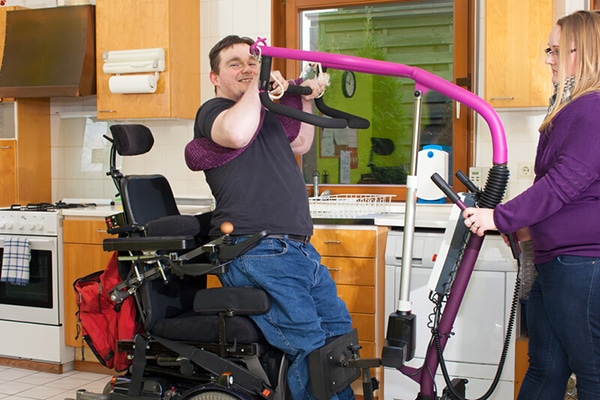
In the disability space, this technology is about pure independence for people living independently of or with occasional supports and having a reliable system that detects falls or unusual nighttime movement allows them to safely spend time alone. If someone has a condition like epilepsy or severe mobility challenges, the radar provides an invisible safety net. It allows funding to shift away from expensive overnight care and toward things that actually build capacity and community connection.
We need to stop forcing people to choose between their personal dignity and their physical safety. With smart, privacy-focused technology now available locally, Australian families and care providers finally have a better option.
If you’re working with young children in a kinder, preschool or childcare centre, you’ll no doubt be used to entering and exiting via a MagnaLatch® childproof gate system. While for most of us, this is something we probably just do on autopilot, for people of short stature and those in a wheelchair, it can be a major hurdle due to the height of the childproof lock.
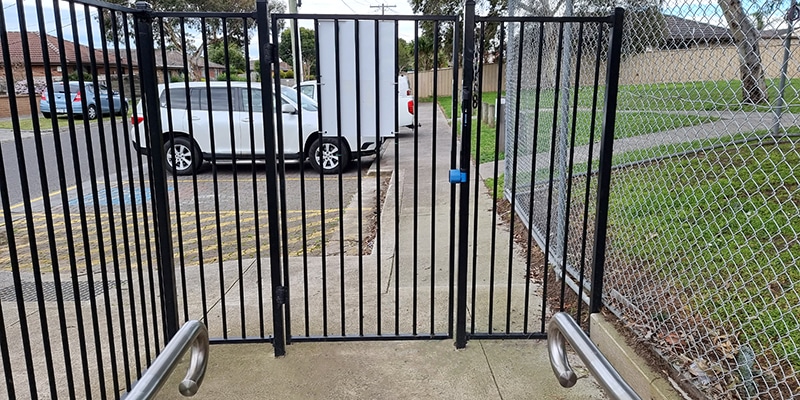
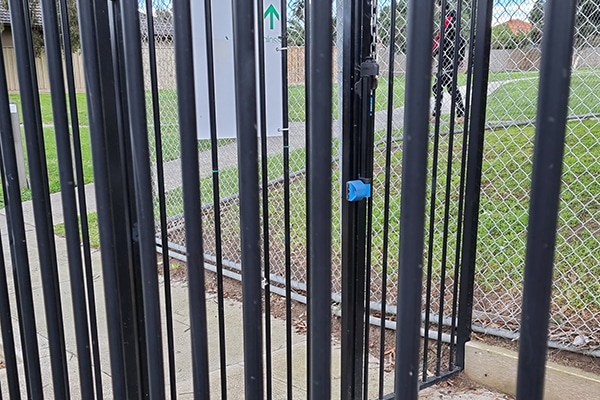
In Australia, safety gate systems, such as Magnalatch®, are used in early learning, childcare settings, and community playgrounds to keep children safe and ensure compliance with applicable legal and safety requirements. However, the one issue with the product to date has been the height of the lock, which sits at around 1500–1600 mm from the ground. At this height, any visitors, staff, or clients who are in a wheelchair or of short stature are unable to reach the lock, meaning they cannot enter or exit the premises independently.
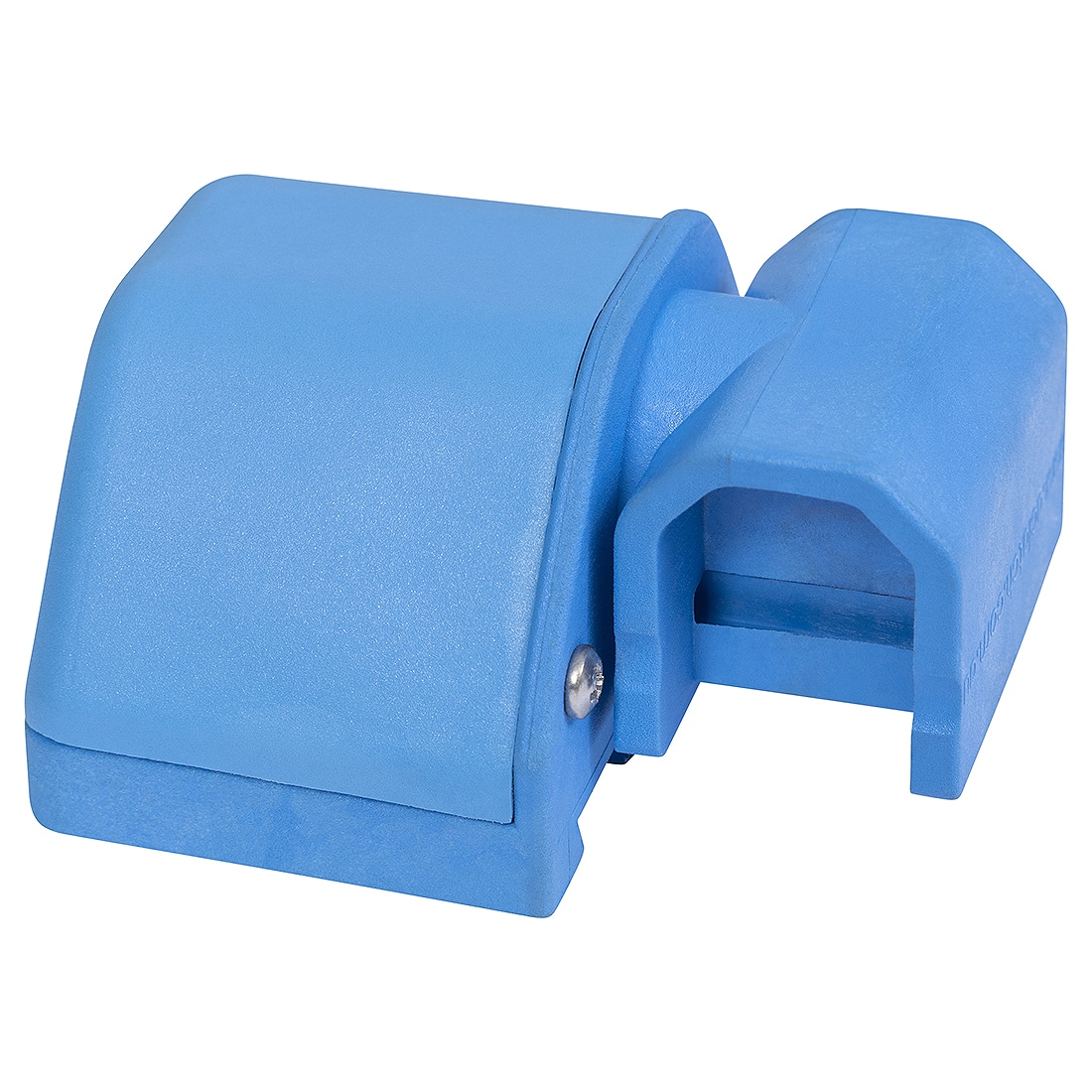
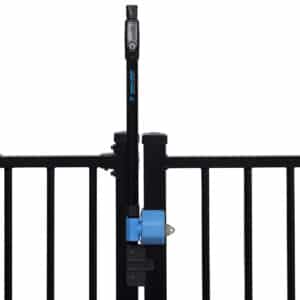
The good news is, that’s about to change! The AccessLatch MKII is a fantastic new product that can quickly and easily be installed on Magnalatch® safety gate systems, allowing them to be opened from a lower height while remaining child safe and compliant with requirements.
So if you’re looking for a simple, affordable, no-power solution you can add to your preschool or childcare centre’s safety gate system to make it accessible to all, read on to discover more about the AccessLatch.
AccessLatch = Equal access for all
No matter your sector or industry, these days every organisation has a responsibility to provide equal access to people of all abilities. There are now many more workplaces, businesses and community spaces that include features like ramps and accessible car parks, that allow access to people of all abilities—however, there remain some barriers that require attention.
For example, the height of locks on safety gates means that those in a wheelchair and of short stature are unable to gain access to the premises. Thankfully, more and more simple, affordable solutions are becoming available to solve access issues, and AccessLatcc MKII is a great example of this. Once installed, it removes the barrier of height for anyone attending your preschool or childcare centre who is of short stature or in a wheelchair, allowing them to gain access quickly, easily and independently.
Simple, affordable, zero-hassle solution
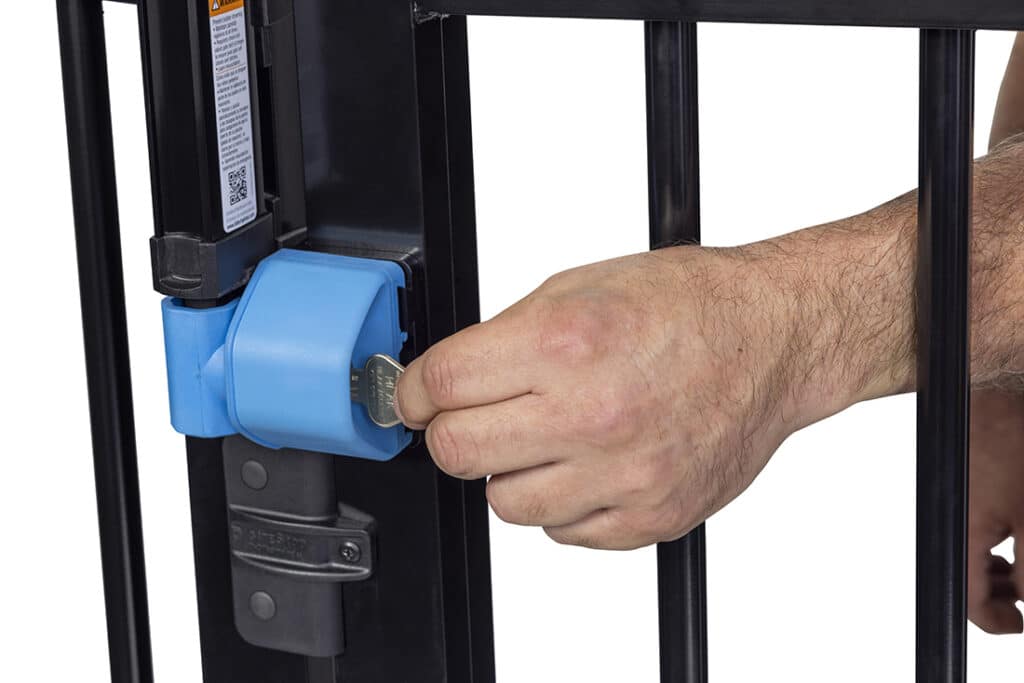
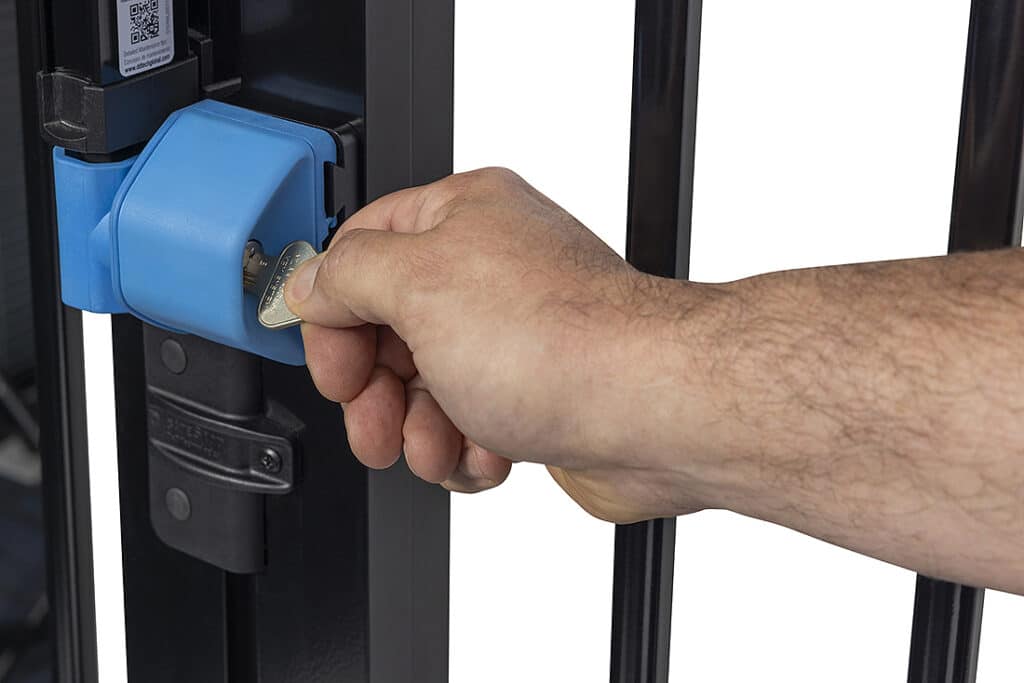
For some businesses, the belief that accessibility and access solutions are difficult to implement and expensive to design and install is a barrier to taking action. And while some solutions do require significant changes, the AccessLatch is a simple add-on to your existing or new Magnalatch® safety gate system that is really easy to install and inexpensive to buy. The AccessLatch is essentially a key-operated base unit that allows the gate to be opened from a lower height with the use of an MLAK key. This provides instant access to those who need it while maintaining child safety standards and compliance with the relevant requirements.
No power saves you time and money
Not only do electric and battery-operated units cost money to run, but they also require ongoing maintenance checks to keep them operating effectively. With the smart key-operated design of the AccessLatch, you can forget about the hassle of replacing batteries or maintaining a power source. The lock barrel of the unit is conveniently fitted with a standard PD barrel used for restricted access keys so that all that is needed for access is an MLAK key that’s available from local councils. Alternatively, if your preschool or centre prefers to use a unique key for access, a locksmith can simply re-key the barrel to suit your requirements.
Equal access can be as simple as that
As AccessLatch demonstrates, providing equal access for all can be simple and hassle-free. Not only is it 100% Australian-made, but it is also designed to comply with the relevant Australian standards and comes with a 10-year replacement warranty for total confidence and peace of mind. So if you’re keen for your preschool, kinder, childcare or early learning centre to be accessible and welcoming to all, the AccessLatch could be the ideal solution.
If you have a question about AccessLatch or any of our other products, contact our team on 1300 994 890. We’re always happy to offer expert advice and guidance to help you provide equal access to all.
Real estate and property management may not seem like a dangerous profession for those not involved in the industry. But dig a little deeper and it’s clear that many of the tasks agents and managers undertake every day can be classified as high risk.
The combination of visiting private properties, meeting with strangers, and working alone can leave real estate industry workers vulnerable, especially when the agent or manager needs to deliver unwanted news.
Thankfully, there is much that employers can do to protect their workers. It is now good practice for all businesses to undertake a regular risk assessment and have detailed health and safety procedures and policies in place. A key function of this is to protect workers from harm. For lone workers in the real estate industry, carrying a personal duress alarm is a highly effective way to minimise the risk of injury. These small but powerful devices are increasingly being recommended as part of the risk assessment process as a simple way to keep real estate agents and property managers safe. Read on to find out why they could be an ideal solution for your team.
Staying safe at property inspections
For those managing rental properties, conducting regular pre-planned property inspections is essential. More often than not, these inspections are attended by a lone agent or manager. While the majority are completed without incident, there has been an alarming number of cases where an agent has sustained serious injury.
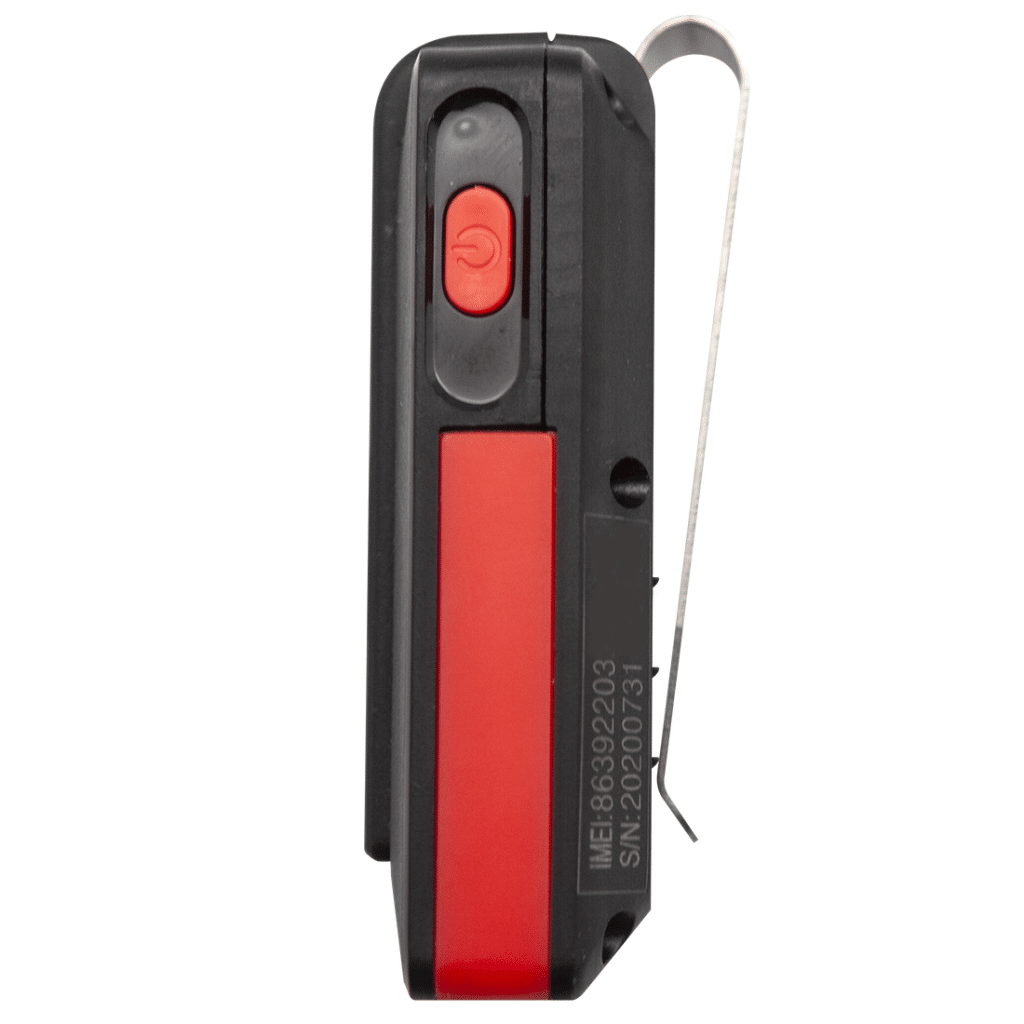
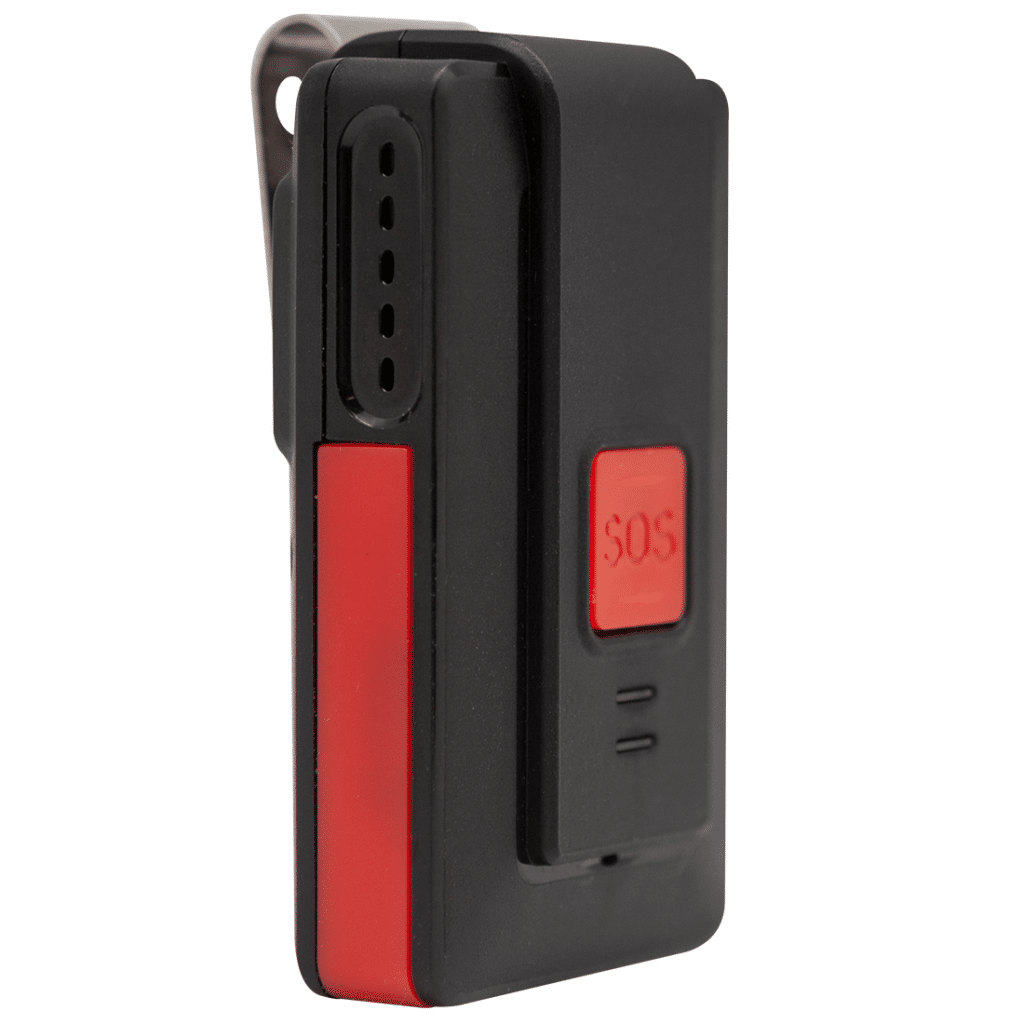
From confrontations with aggressive tenants to dog attacks, agents may encounter a wide range of dangerous situations. In Western Australia, a tenant attacked a property manager during the final inspection when he discovered he would not be receiving his bond money on the day. A property manager was mauled by dogs and seriously injured after attending a booked inspection at a Central Coast home and an agent in Melbourne was left traumatised after a separate dog attack. For agents attending property inspections alone, a personal duress alarm such as the SkyTrack 4G offers a simple and effective way to communicate their location and wellbeing. Useful functions include automated check-ins, tracking updates and up to 10 different alarm settings, which means the alarm can be raised instantly if there is an incident, even if the agent is unable to make the call.
The dangers of property appraisals and valuations
To find out the value of a property, an appraisal and/or valuation may be undertaken. The appraisal involves a real estate agent attending the premises and combining their observations with their knowledge of the local market and recent sales to put forward their recommendations on how much the home should be listed for sale or rent. A valuation is different as it requires an accredited valuer to prepare a detailed written report on the property, a sworn legal document that can be used in court.
Both of these require an agent or valuer to attend the private property, and in most cases, they attend alone. They most likely do not know their potential clients and do not know who and what they will find at the house when they attend. While it is ideal to meet at the office or a neutral location first, this alone can not guarantee the safety of your team. The simple act of carrying a personal duress alarm provides an added layer of security in this case, as the location of the agent or valuer can be tracked in real-time and the alarm can be discreetly raised if something doesn’t seem right.
Open for inspection safety
Another risky situation property managers and agents face regularly is meeting potential buyers and tenants open for inspections. Both individual appointments and publicly advertised openings have the potential to be dangerous, as anyone can attend, including those who display aggressive, violent or deceitful behaviour.
Carrying a personal duress alarm gives both the agent and their employer added peace of mind during an open for inspection. Alarms such as the SkyTrack 4G have a range of useful automations and functions that are ideal as an added layer of protection for property managers and agents working on private property with members of the public.
Keep your team safe with a personal duress alarm
For real estate agents, valuers and property managers, the combination of working alone on private property with strangers can, unfortunately, lead to dangerous situations. Employers can protect their team by conducting regular risk assessments and having clear safety and security procedures in place.
A personal duress alarm is a simple but highly effective safety tool that should be part of every agent and property manager’s safety toolkit. It provides workers and employees with peace of mind that if there is trouble at an inspection or valuation, the alarm can be raised instantly and assistance can arrive sooner.
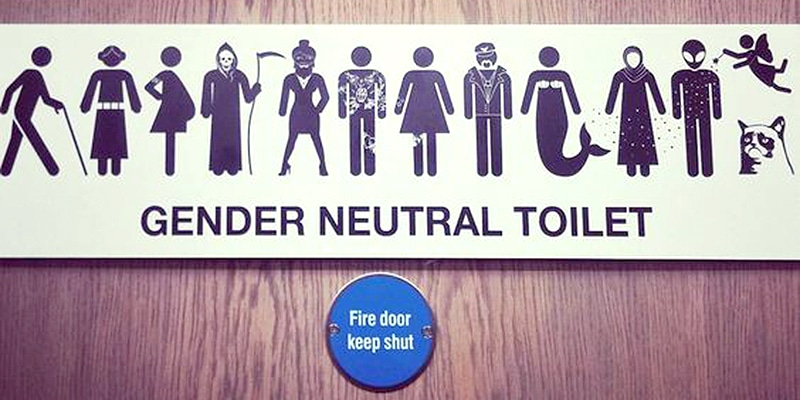
Today, governments, organisations and community groups across Australia are taking positive steps towards providing accessible and inclusive places for all. However, there is still much that can be done. One aspect that has sparked plenty of discussion of late is the need for gender neutral toilets in workplaces and public spaces. While current legislation does not directly address this, some venues including Marvel Stadium and Rod Laver Arena have taken positive steps to provide inclusive spaces by making all-gender toilets available at AFL games and the Australian Open.
A recent Worksafe review focused on assessing the need for Victorian employees to provide toilets that allow for gender diversity under occupational health and safety laws. This has prompted other employees to consider providing all-gender toilets in workplaces and at events too.
Fostering an inclusive community is good for everyone. When people feel accepted and included at work and in public spaces, it allows them to be their best. This creates a positive environment at public events and allows for happier and more productive teams at work.
So if you’re wondering whether the addition of all-gender toilets is something your organisation should consider, read on to learn 3 key benefits.
Eliminate stigma and discrimination
When people are made to feel like they don’t fit in, it creates a situation where stigma and discrimination often occur. Using public bathroom facilities can be a major source of distress for those who identify outside of a gender binary, as they can be made to feel uncomfortable about using the ‘wrong’ toilets. This can escalate to abuse or even violence in some situations, creating an unsafe situation for all.
Everyone, regardless of their gender identity should be able to attend work and social events and use the facilities without fear and uncertainty. Providing inclusive toilets that are not associated with a particular gender is an essential first step to reducing the risk of stigma and discrimintion.
Promote inclusion and acceptance of all
In recent years, many groups and individuals around the world have worked to promote acceptance and inclusion for everybody, and there has been a significant shift in the attitudes and experiences of the community as a whole. To continue to build on this, governments and organisations can implement practical changes to remove the physical barriers to an inclusive society.
The provision of gender neutral toilets is one important way that businesses, community groups and governments can promote an inclusive space where everybody feels welcome and accepted. For people who identify outside of a gender binary, it creates a safe environment, free from judgement where they don’t need to feel anxious or uncomfortable every time they need to use a public bathroom. In addition, as more all-gender bathrooms are included in public places and in the workplace, an increased appreciation for diversity and acceptance will soon follow.
Another important benefit of all-gender bathrooms is that it allows parents and carers looking after a person of a different gender to accompany them into the bathroom more easily. This makes the experience of being out and about with your children much less stressful, knowing that if nature calls you never need to worry about sending them in on their own. For carers it makes life easier too, as depending on the needs of the person in your care, you may no longer need to locate and wait for an accessible toilet which are far fewer in number and can be high in demand.
One change can make a world of difference
The provision of all-gender toilets is one change that will make a huge difference to the lives of so many. In most cases, existing infrastructure can be altered to suit the purpose, making it highly achievable for many in the short term. And in the light of recent public discussion around the issue, as well as the Victorian Worksafe review, any organisation who is serious about inclusion should be already considering how they can make it happen.
If you have any questions about access and inclusion signage in your workplace or facility, you can reach our team on 1300 894 990 for help and friendly advice on a huge range of safety and access products including Braille Tactile Gender Neutral Signs.
If you’re a builder, electrician, plumber or any other tradie, chances are you or someone on your team will be required to work alone on site at times. Safety is paramount for lone workers, as any accident or emergency has the potential to cause serious harm due to the lack of co-workers available to provide immediate assistance.
One safety product that many in the construction industry are now using to protect their lone workers is a personal duress alarm. With the ability to automate scheduled check-ins and to customise alarms, you can be confident that you will be alerted of any issues on site so you can act fast.
To find out if personal duress alarms can improve safety in your business, read on to learn 3 key reasons they are a great choice for your lone workers on building sites.
1) Automated check-ins for peace of mind
Scheduled check-ins are a common way to keep in touch with those working alone on site, as they allow you to confirm that everything is okay at regular intervals. However, there are some important shortcomings with this method which have the potential to cause major problems. Because a manual check-in relies on the worker calling or texting in, if they forget, or are unable to do so in an emergency, you have no way of knowing if they are in trouble. If they fail to answer their phone and you need to race out to the site, it will waste valuable time and resources if all is okay. And, if there is an emergency, the delay in getting the right help can be the difference between life and death.
With a personal duress alarm such as the SkyTrack 4G, you can set up automated check-ins throughout the day. This provides you with peace of mind that all is well, while also alerting you if something is not. Your check-in times will also be automatically logged in the system, providing you with seamless records for health and safety compliance.
2) Customisable alarm settings
Another important feature of the SkyTrack 4G is the ability to customise the alarm settings to suit. You can program up to 10 different alarm functions, such as fail to check-in, motionless, person down and SOS. This smart feature could potentially save a life in an emergency situation where your lone worker is unable to call for help.
The SkyTrack 4G is also tracked and responded to 24 hours a day, 7 days a week, by an Australian-based monitoring centre, giving you complete confidence that help is available at all times.
3) Durable and reliable design
Any safety product used by those working on a building site needs to be tough enough to withstand the daily wear and tear of the dusty and difficult outdoor conditions. The SkyTrack 4G personal duress alarm is a quality product with a shock and water-resistant design that is durable and built to last.
The compact size makes it easy to wear, as it clips onto a belt or can be worn on a lanyard. Another plus for onsite workers is the long-life battery and USB charging option, and with coverage across the 3G/4G network in GPS or WiFi positioning modes, your lone workers will stay connected wherever they are.
4)Small device, big protection
A personal duress alarm is a small device that offers big protection. Not only can it significantly reduce the risk of serious injury to the lone workers on your team working on building sites, it also provides you with peace of mind that you are doing all you can to provide a safe working environment for all. Also essential for:
Would you like to know more about the SkyTrack 4G personal duress alarm? You can reach our team on 1300 994 890 for help and friendly advice on a huge range of safety and access products.
When planning and designing public spaces, providing equal access to all is now a key aim—and this is where the Universal Design (UD) concept is helpful. However, with such a wide variety of people with various levels of ability, unfortunately at times certain groups can slip through the cracks and not have their needs adequately addressed, which can lead to unnecessary barriers to access.
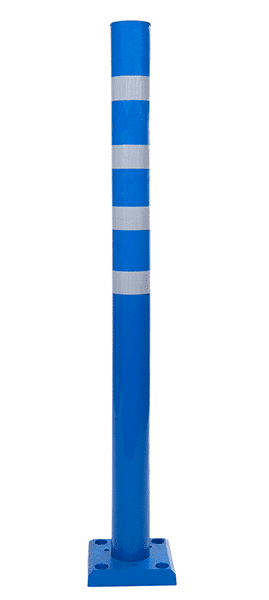
For people with low vision, navigating many aspects of the built environment is challenging. Recently, one area that has been identified as a particular concern is the colour and height of the required safety bollard in the built environment including for disabled car parks.
When it comes to accessible car park bollards, many include some small but significant design flaws that make it difficult for those with a vision impairment to safely access. But the good news is, they can be easily rectified. Read on to find out more.
What are the requirements and regulations for disabled car park bollards?
As the AS 2890.6 states, a bollard is required for all accessible car parking spaces—however, there is no clear instruction on the specific design requirements. This means there have been countless incidents where people have reversed into unsuitable bollards, which has led to many calls to our office seeking clarification on whether the bollards are in fact non-compliant. Sadly, due to a lack of design specifications within the standard, the answer is often a disappointing no.
2.4.5.3 Barriers
Barriers shall be constructed to prevent vehicles from running over the edge of a raised platform or deck of a multi-storey car park including the perimeter of all decks above ground level. They are required wherever the drop from the edge of the deck to a lower level exceeds 600 mm. At drops between 150 mm and 600 mm, wheel stops (see Clause 2.4.5.4.) shall be provided. Barriers shall comply with the following requirements:
(a) They shall be designed structurally for the loading requirements of AS/NZS 1170.1.
(b) If at the end of the parking space, they shall be at least 1.3m high so that the drivers of cars backing into the space can see the barrier above the rear of the car.
NOTE: The upper portion of such a barrier may be a light structure provided for sighting purposes only.
(c) They shall not be made from brickwork, unreinforced concrete or other materials likely to shatter on impact.
As you can see, the standard unfortunately lacks clarification around the design of the bollards, in particular the height and colour, which has created an issue for those with low vision.
When it comes to barriers in car parks, the AS/NZS 2890.1:2004 (Incorporating Amendment No. 1) Parking facilities Part 1: Off-street car parking standard states:
Best practice for accessible car park bollard height
Back in 2012, in response to section (b) shown above, we immediately adopted a best practice position to ensure the minimum height of bollards we recommended was 1300 mm. Since then, all bollard manufacturers across Australia have started manufacturing accessible car park bollards with a minimum height of 1300 mm. This has gone a long way in addressing the issue of reversing into bollards that are difficult to see.
Best practice for accessible car park bollard colour
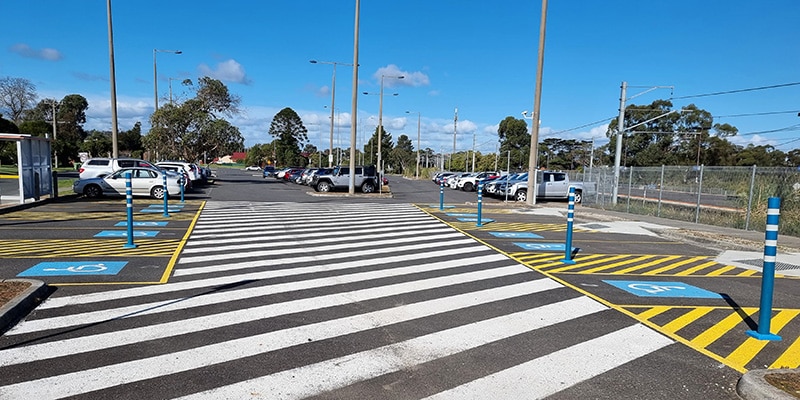
When talking to those with a vision impairment about accessible car park bollards, another issue was identified regarding the colour. Most of the bollards manufactured now are coloured ‘Safety Yellow’, which at first may seem like a sensible idea as it stands out. The trouble is, when the bollard is situated within a car park that features the Safety Yellow diagonal striping, instead of standing out, the bollard blends in, creating a hazard for anyone with low vision. To address this, we now recommend that all accessible car park bollards are coloured blue, which contrasts well with the yellow and is much easier to see.
Final word on disabled car park bollards
As described above, to achieve a truly Universal Design, there are many factors that need to be considered—and sometimes a small tweak in colour or height makes all the difference.
If you have a question on bollards, or any other safety or access products, contact our team on +61 3 9001 5805 or 1300 994 890. We’re always happy to help!
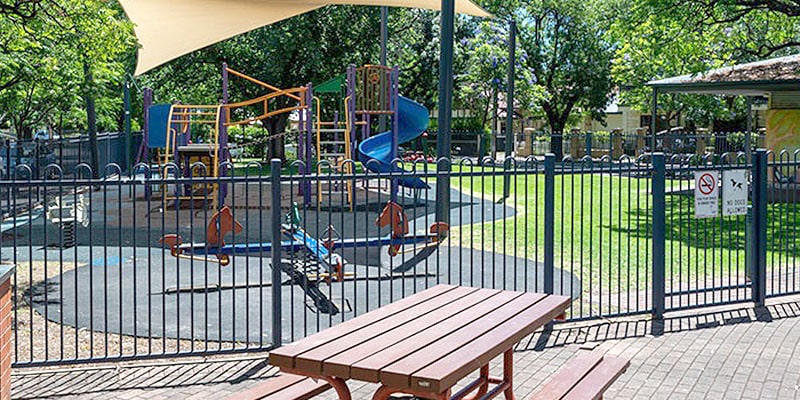
Most parents of small children would agree that the growing trend towards fenced community playgrounds is a positive move. The addition of a safety gate system such as MagnaLatch MKII provides peace of mind, as it offers an additional layer of safety to prevent children from getting lost or wandering into a dangerous situation, such as a nearby road or waterway. However, for parents, carers and grandparents who are of short stature or in a wheelchair, the height of the latch on safety gate systems is generally out of reach, which means they are no longer able to enter the space independently.
However, the good news is that there is now a solution that allows this group to enter their favourite park or other fenced facilities with zero fuss, while also keeping kids safe. The MagnaLatch MKII is a simple and affordable add-on unit for MagnaLatch safety gate opener, which can be easily implemented by councils and community groups to new and existing fenced playgrounds.
The AccessLatch attaches to new and existing Magnalatch safety gate systems and doesn’t require any complicated installations, ongoing running costs, or maintenance. So, to find out the key benefits of the AccessLatch and discover how it can make your fenced community playground more accessible, read on.
Easy to install on both new and existing safety gate systems
To provide the most enjoyment, it’s essential that community spaces are easily accessible to people from all walks of life. Whether you are in the planning stages of developing or reshaping a new playspace, or have an existing fenced playground in your region already, with the addition of the AccessLatch, your fenced community playground can become instantly accessible to people of short stature and in wheelchairs.
Installing the MagnaLatch MKII does not require any major investment in cost, time or effort, which is a big plus when you’re working for an organisation with a strict budget process and limitations. It can be simply added to the existing MagnaLatch MKII opening mechanism as required, making it suitable to roll out to all fenced community playgrounds and spaces in your zone.
Smart design with no power source required
Another big plus is that the key-operated base of the AccessLatch does not require a power source or batteries to function, which eliminates much of the ongoing maintenance and operation costs. The design includes a standard PD lock barrel suitable for restricted access keys. It can be opened with an MLAK(R) key, which allows access to people with disability with ease. Alternatively, the barrel can also be re-keyed to a unique lock if preferred where restricted access is required.
High-quality Australian-made product that’s built to last
When installing safety and security features in public spaces, it’s essential to use high-quality products. This is a big factor in minimising unnecessary maintenance and replacement costs due to avoidable damage and premature wear and tear. Materials used within playgrounds need to be long-lasting and durable, especially the entry and exit points that experience high traffic and frequent use. The MagnaLatch MKIIticks both these boxes, providing you with peace of mind that it will withstand the daily rigours of heavy use. It is 100% Australian-made from quality materials and is designed to comply with all the relevant Australian standards. Another value-add feature is that it comes with a 10-year replacement warranty, so you can be confident that any faults will be rectified promptly and with no out-of-pocket costs.
So if your workforce includes lone workers who are operating in high-risk situations such as heights and tight spaces, it’s critical that you take targeted steps to minimise the harm.
One way to do this is via a personal duress alarm such as the SkyTrack 4G. But what exactly can it do? And is it worth the investment? Read on to find out.
Automate your check-ins
For many organisations, tracking your lone workers’ wellbeing during working hours relies on them manually contacting the workplace via a phone call or SMS. While this can work when all is well, if an incident has occurred and your worker is unable to contact you, this system falls down.
A key safety feature of the SkyTrack 4G personal duress alarm is the ability to set up automated check-ins. This provides your lone workers with a reliable and effective way of raising the alarm and accessing help when they need it, even if they are unable to physically pick up their phone and call. Automating the check-in process also allows you to keep seamless records, which is essential for health and safety compliance in many industries.
Customised to suit your needs
A personal duress alarm, such as the SkyTrack 4G can be programmed to suit the needs of you and your team. You can set up to 10 different alarms for a range of events including person down and motionless, both of which are critical safety features that could potentially save the life of a lone worker who has fallen from a height or become trapped in a confined space. There is also an option to set alarms for SOS/duress and fail to check in, giving your employees optimum protection should an emergency situation arise and they are unable to call for help.
In addition, the alarm features 5-minute tracking updates, which increase to 1-minute updates if the SOS alarm is triggered. What’s more, the SOS alarm is tracked and responded to by an Australian-based 24/7 monitoring centre, so you can be confident that prompt assistance is available around the clock.
Compact, durable and reliable
Another big plus of the SkyTrack 4G is the size, strength and quality. It is a small, discreet device that can be secured on a belt or worn on a lanyard. The shock and water resistant design is built for durability, and the long-life battery and USB lead option for portable charging is ideal for those on the go. The device also has coverage across the 3G/4G network and can be used in GPS or WiFi positioning modes, providing reliable connectivity wherever your lone workers are.
Protect your lone workers with a simple device
If you’re looking for a simple and reliable way to reduce the risk of serious injury to lone workers who are working at heights or in confined spaces, a personal duress alarm is a smart option.Your team will have peace of mind that they are not alone and help is available if they require it, and you can feel confident that you are minimising risks to keep them safe.
If you are keen to find out more about the SkyTrack 4G personal duress alarm, or any other safety or access products, please get in touch with our team on 1300 994 890.
Working alone on private property means that the likelihood of personal injury from accidents or violence increases, as there is a lack of control over the safety of the environment. So, if your team includes lone care workers, it’s important that you take appropriate steps to mitigate these risks.
In the past, tracking your lone workers’ wellbeing commonly involved them manually contacting the workplace at regular intervals to check-in. While this is effective to a degree, it does not provide emergency assistance or alert you to an incident occurring. A personal duress alarm includes features that eliminate the need for manual check-ins, and provides lone care workers with a simple way of accessing help when they need it. Read on to learn more about how it works and the many benefits it can bring to the lone workers on your team.
Why are lone care workers at risk?
There are many potential risks for lone care workers who visit their clients at home, including violence from a client or an associate. If they are threatened or attacked, they may not have the opportunity to get out their phone and call for help. In addition, if they are injured or fall ill, the person in their care may not be able to request help. In both these situations, the risk of serious harm is high if no help arrives. However, if the lone worker has a personal duress alarm they can send an alert with the touch of a button.
How does a personal duress alarm work?
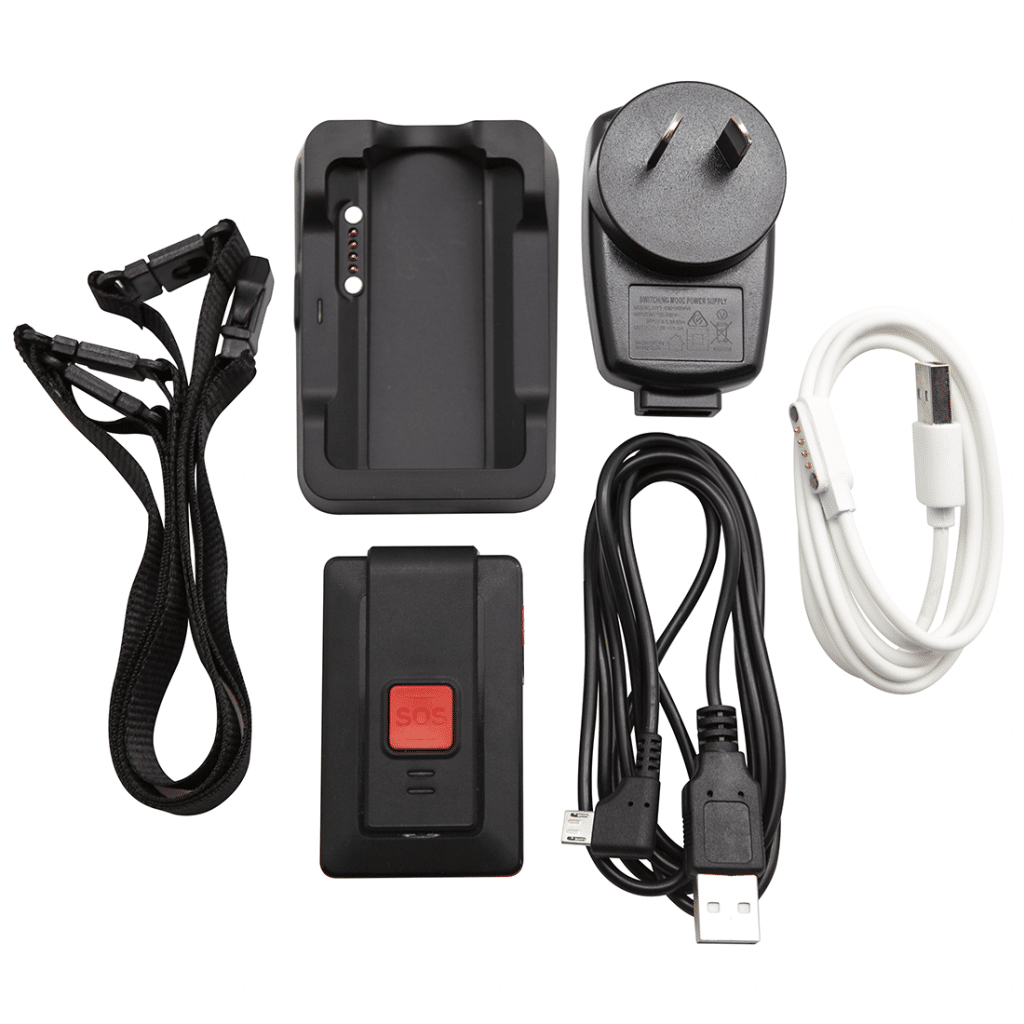
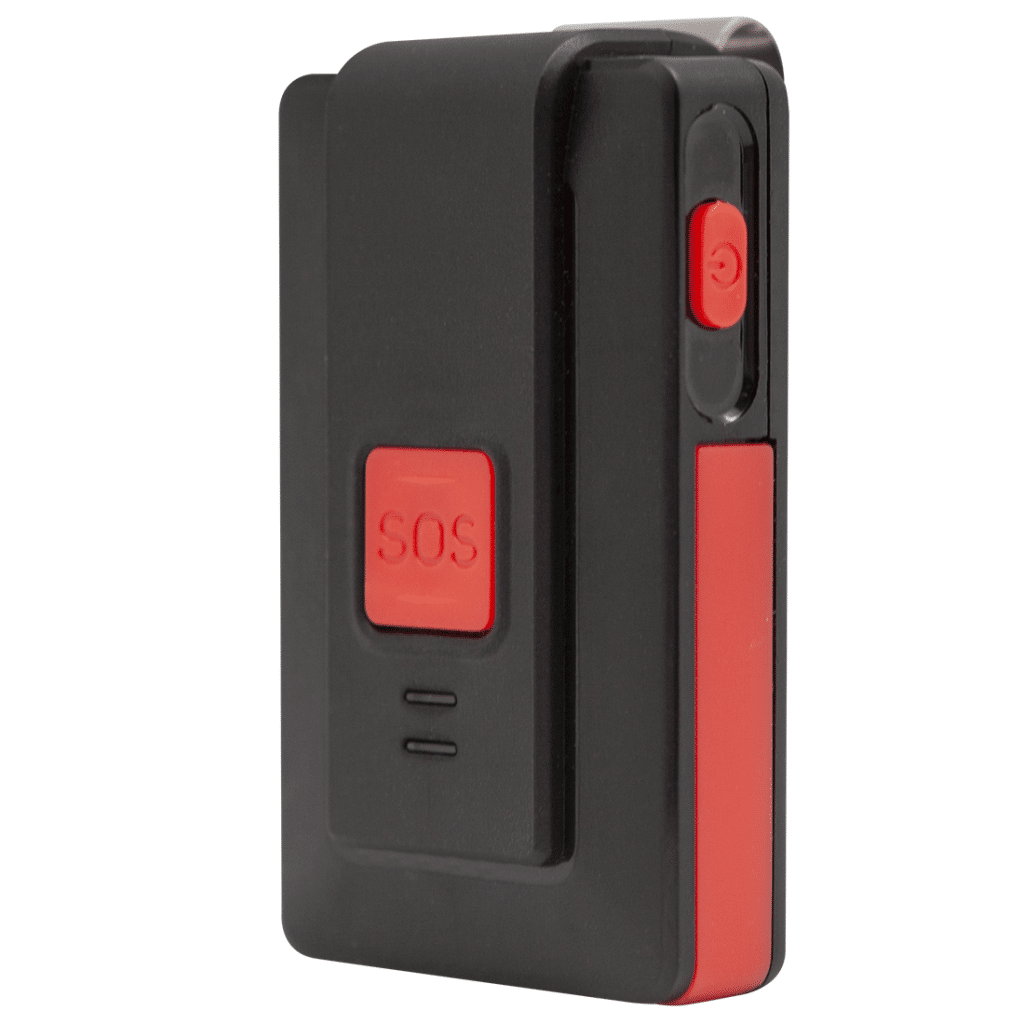
A simple and effective way to minimise risks for the lone care workers on your team is to provide them with a personal duress alarm, such as the SkyTrack 4G. It is a small device that can be worn on a belt or a lanyard, which can be programmed to best suit the needs of you and your team.
You can automate the check-in process so your lone care workers no longer need to call or text in manually, saving your team time and allowing for seamless record keeping. There is also the option to set alarms for a range of different events such as SOS/duress, person down, fail to check-in, motionless and more, making it easy for your workers to raise the alarm if something is not right.
The SkyTrack 4G personal duress alarm has been designed to provide optimum protection for lone workers in the event of an accident or emergency. Some of the key features include:
10 customisable alarm events so you can set it up to best suit the needs of your team
5-minute tracking updates, which increase to 1-minute updates if SOS alarm is triggered
SOS alarm is tracked and responded to by an Australian-based 24/7 monitoring centre
coverage across the 3G/4G network and can be used in GPS or WiFi positioning modes
compact and easy to carry with an integrated belt clip and option to wear on a lanyard
shock and water-resistant design makes it durable and long-lasting for those on the go
long-life battery and your choice of a docking station or USB lead for portable charging.
The simple way to protect your lone care workers
If you’re looking for a simple solution to minimise the risk to your lone care workers, a personal duress alarm such as the SkyTrack 4G is a great option.Not only will you provide your team with peace of mind that help is available if they ever need it, but you’ll also streamline the check-in process and improve record keeping procedures, both of which are essential for compliance.
Like to know more about the SkyTrack personal duress alarm, or any other safety or access products? Please get in touch with our team on 1300 994 890. We’re always happy to help!
 Seenyor, distributed locally by Access and Safety, is completely shaking up aged care. By swapping physical wearables for advanced radar technology, Seenyor builds an invisible safety net across the room. It mounts quietly on a wall and continuously watches over movement and vital health signs. There are no cameras and no microphones recording your private life.