Posted on

Aging with Dignity. Why We Need to Move Beyond the Fall Pendant.

Emergency Alert Button

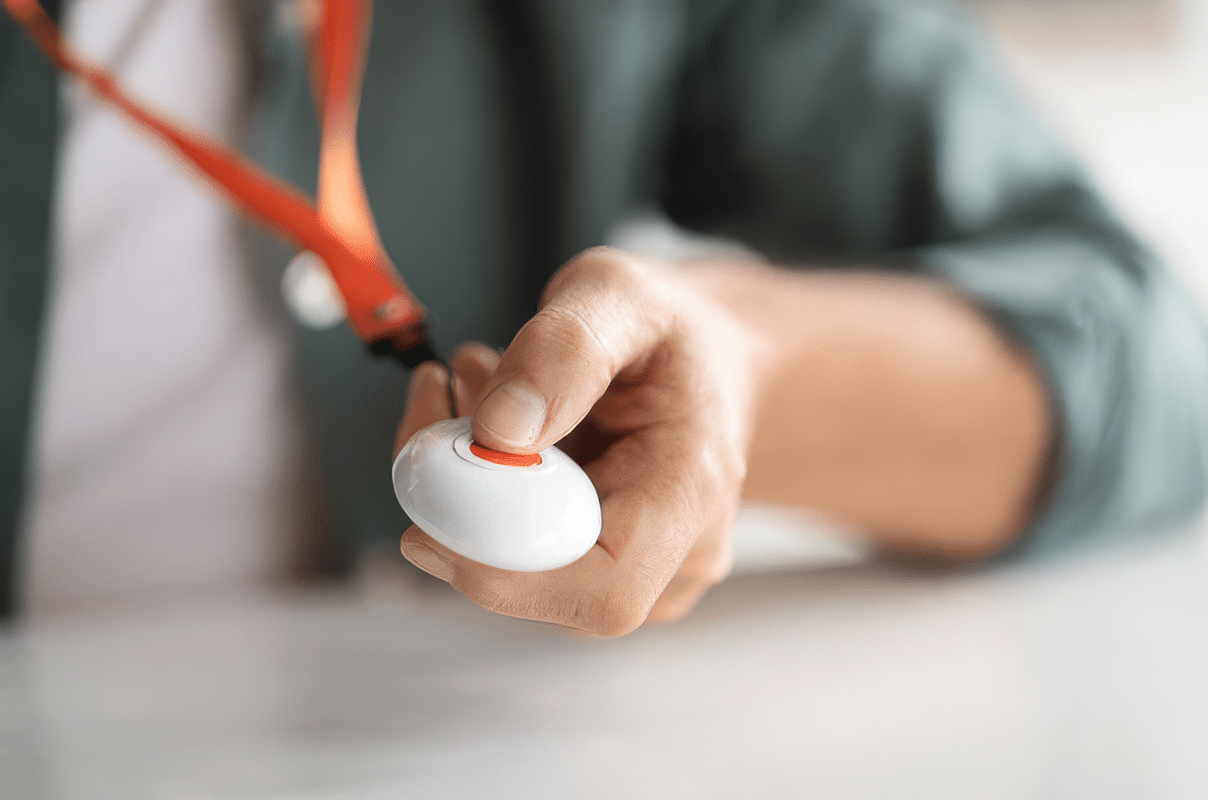
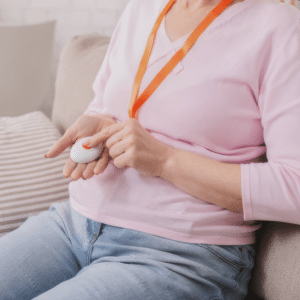
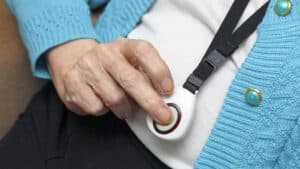
For decades, the go-to safety solution for older Australians wanting to stay in their own homes has been the wearable medical alarm. We all know the classic plastic pendant worn around the neck. While these traditional emergency systems mean well, they carry a very serious flaw. They only work if the person is wearing them.

Care statistics paint a clear picture of reality. Seniors regularly take off their pendants before showering or getting into bed. Sadly, these are the exact moments when the risk of a slip or a medical emergency is at its absolute highest. Other times, they just forget to put them back on or forget to charge the batteries. Many actively hide them in a drawer. Wearing a bright red panic button carries a heavy mental toll. It serves as a constant visible reminder of frailty and chips away at personal dignity.
Fall Alert ButtonSeenyor, distributed locally by Access and Safety, is completely shaking up aged care. By swapping physical wearables for advanced radar technology, Seenyor builds an invisible safety net across the room. It mounts quietly on a wall and continuously watches over movement and vital health signs. There are no cameras and no microphones recording your private life.

When a fall happens, Seenyor catches it instantly. Older systems wait around for someone to push a button. That is pretty much impossible if someone is unconscious. Seenyor automatically alerts family or emergency response teams in seconds. Built-in two-way audio lets responders speak directly into the room to make sure help is on the way fast.

Seenyor gives families ongoing peace of mind through its smartphone app. Family members can check if Mum is moving around normally in the morning without making annoying check-in calls. By ditching the wearable, Seenyor restores dignity and proves the best tech is the kind you never even notice.

Interested in a smarter way to support independent living? Contact Access and Safety today to learn how Seenyor can help enhance safety, confidence and independence at home.
Posted on

Rethinking Independent Living in Australia

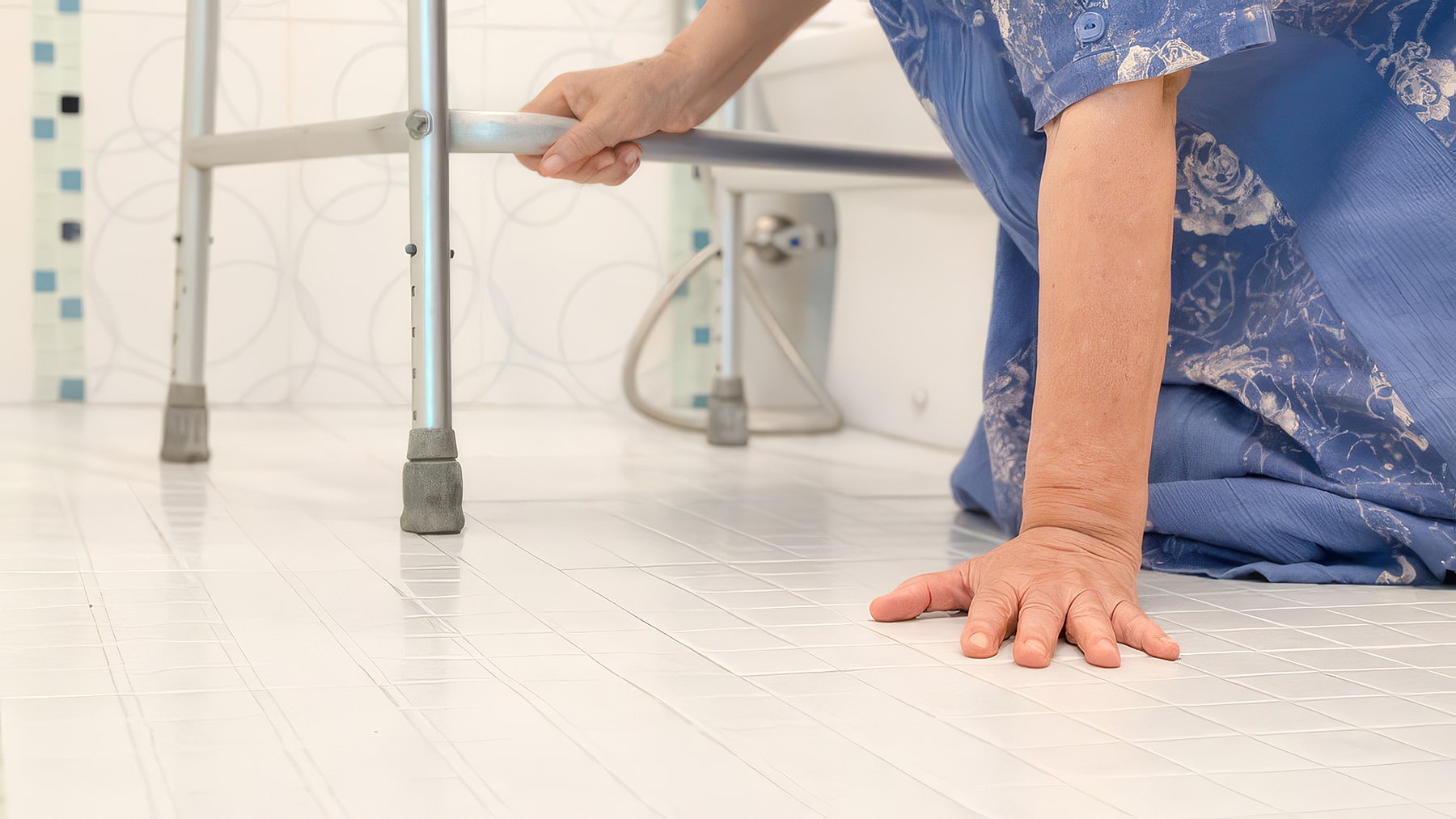
elderly falling in bathroom because slippery surfaces

Why Seenyor is for Everyone

Most safety technology for people who need support at home is stuck in the past. We hand out emergency alert buttons that people have to wear, set up intrusive cameras, make daily calls or rely on someone dropping by just to make sure everything is okay.

That approach does not work for an older parent who values their privacy. It also completely fails adults with disability who want to live in their own homes without a support worker hovering over them around the clock. It also relies on the person wearing them all the time, which data shows is not always the case. People just want to live their lives.

Seenyor is a new approach to home care monitoring that recently launched in Australia. It relies on advanced radar technology in lieu of cameras or wearables. You mount the sensor on the wall or ceiling, and it quietly monitors the room by tracking movement, breathing patterns, and heart rates.

No Cameras, No Lanyards

Push Button Medical Alarm
Push buttons are often forgotten or cannot be pushed if the person is unconscious.

The biggest flaw with traditional medical alarms is that people remove them. They take them off to shower or sleep, which is exactly when most falls occur.

Because Seenyor uses passive radar, the person in the room does not need to wear anything or remember to charge a device. It just runs in the background. Most importantly, there are zero cameras. The system only tracks data points and movement patterns, meaning a person’s privacy and dignity remain completely intact.

If someone does fall, the AI spots it immediately. It pinpoints exactly where it happened in the room and sends an instant alert to family members or a care team. It even has a built-in speaker so a family member or support worker can talk directly to the person while help is on the way.

Real Peace of Mind for Families

For older Australians who want to stay in their family home, this technology bridges a massive gap. Adult children often live in suburbs or even states away. in lieu of making a patronising phone call every morning just to check if mum got out of bed, you can simply open an app on your phone. The data shows you she is up and moving around.

The system also tracks sleep quality and bathroom frequency. This means families can spot early warning signs of illness, such as a UTI or declining mobility, long before an actual emergency occurs.

Autonomy in the Disability Sector

In the disability space, this technology is about pure independence for people living independently of or with occasional supports and having a reliable system that detects falls or unusual nighttime movement allows them to safely spend time alone. If someone has a condition like epilepsy or severe mobility challenges, the radar provides an invisible safety net. It allows funding to shift away from expensive overnight care and toward things that actually build capacity and community connection.

We need to stop forcing people to choose between their personal dignity and their physical safety. With smart, privacy-focused technology now available locally, Australian families and care providers finally have a better option.